
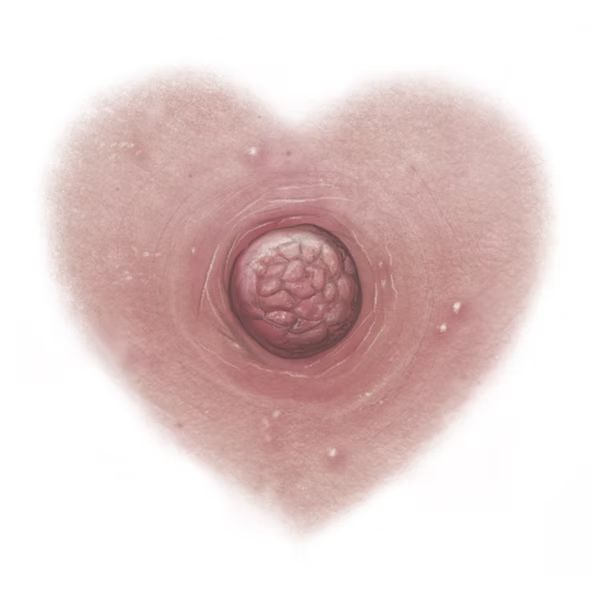
For many patients who have undergone a mastectomy, completing breast reconstruction still leaves one vital anatomical feature missing: the nipple and areola. A 3d nipple tattoo oklahoma city—also known as restorative nipple micropigmentation—offers a safe, non-surgical way to recreate the natural appearance, color, and visual depth of a nipple-areola complex.
Before scheduling a session, patients should understand how the procedure interacts with post-mastectomy tissue, when it is safe to begin, and what realistic outcomes look like.
When Is It Safe to Get a 3D Areola Tattoo?
Patience is essential after mastectomy and reconstruction. Tattooing too early can compromise pigment retention and place unnecessary stress on healing tissue.
-
Standard Healing Window: Most plastic surgeons and oncology teams recommend waiting at least 6 to 12 months after your final breast surgery. This gives swelling time to fully resolve, allows breast implants or autologous flaps to settle into their natural position, and lets surgical scars mature.
-
Post-Radiation Considerations: If your treatment plan included radiation therapy, skin elasticity and blood supply may take longer to recover. Many specialists advise waiting 9 to 12 months after completing radiation—and obtaining explicit written clearance from your surgical or oncology team—before booking a session.
-
Revisions First: Always finish any planned fat grafting, scar revisions, or symmetry procedures before getting tattooed, as subsequent surgeries can distort or shift the placement of the areola.
Working With Reconstructed Skin and Scar Tissue
Post-mastectomy skin behaves differently than untouched skin, which is why choosing a trained paramedical artist is critical:
-
Altered Sensation: Because nerves are severed during a mastectomy, most patients experience minimal to zero pain during the tattooing process. Artists still apply medical-grade topical numbing agents to prevent discomfort around sensitive peripheral borders.
-
Thinner Skin Over Implants: Patients with implant-based reconstruction often have thinner skin over the breast mound. Paramedical specialists use gentle, shallow needle depths to deposit pigment safely in the upper dermis without causing trauma.
-
Scar Camouflage: Mastectomy incisions often run horizontally or diagonally across the center of the breast mound. Skilled artists implant pigment directly over mature scar tissue and blend skin-toned shades around the borders so scars visually recede into the new areola.
-
Aesthetic Flat Closure Options: Patients who choose not to reconstruct a breast mound can still get 3D areola tattoos placed directly on the flat chest wall to restore familiar visual proportions.
Step-by-Step: What Happens at Your Appointment
-
Placement and Symmetry Mapping: While you sit or stand upright, the artist measures your chest anatomy and uses washable markers or custom stencils to map out the size, shape, and position of the areola. You will review the placement in a mirror and approve it before any tattooing begins.
-
Custom Color Formulation: If you had a single (unilateral) mastectomy, the artist blends multiple pigments to match the exact shade, undertone, and freckling of your natural areola. For double (bilateral) mastectomies, you work together to select a natural hue suited to your skin tone.
-
3D Shading and Micropigmentation: Using fine needles and light-and-shadow artistry, the artist layers highlights, cast shadows, and subtle textural details (such as Montgomery glands) to create the visual illusion of a raised nipple. A single side takes roughly 1 to 2 hours; both sides take 2 to 3 hours.
-
Follow-Up Touch-Up: Because healed pigment softens by 20% to 40%, a secondary refinement session is typically scheduled 6 to 8 weeks later to fine-tune color warmth and detail.
Recovery, Aftercare, and Longevity
Recovery from a 3D areola tattoo is mild compared to surgical nipple reconstruction, requiring no downtime from normal daily activities:
-
Days 1 to 3: Keep the tattooed area clean and covered with a breathable protective bandage or sterile dressing as instructed. Avoid submerging the chest in baths, swimming pools, or hot tubs.
-
Weeks 1 to 2: Wash gently with mild, fragrance-free soap and apply a thin layer of recommended healing ointment. Light flaking is normal—never pick or scratch at healing skin.
-
Long-Term Maintenance: Protect the area from direct sunlight with broad-spectrum sunscreen, as UV rays fade pigment faster. Most 3D areola tattoos remain crisp and realistic for 3 to 5 years before benefiting from a light color refresh.
Practical Questions to Ask Before Booking
-
Is the procedure covered by insurance? In many healthcare systems, restorative 3D areola tattooing after a mastectomy is recognized as part of breast reconstruction and may be eligible for insurance coverage or reimbursement when performed in a medical clinic or billed under reconstructive procedure codes.
-
Can I see healed portfolio photos? Always ask to view photographs taken at least 6 to 8 weeks after the procedure, especially on patients with similar skin tones, surgical scars, or radiation history.
-
What safety standards does the studio follow? Confirm that the practitioner holds paramedical micropigmentation certification, uses single-use sterile needle cartridges, and follows strict medical sanitation protocols.