

Introduction
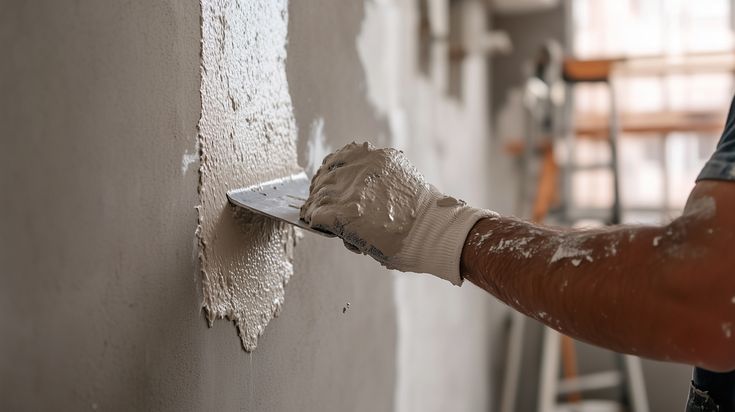
Freshly applied plaster can transform walls and ceilings, creating a smooth and attractive surface ready for decoration. However, it is not uncommon to notice minor imperfections once the plaster has dried. Homeowners are often concerned when they spot cracks, uneven patches, discoloration, or other flaws, especially after investing in a renovation project.
The good news is that many imperfections in new plaster are normal and can be easily corrected. Understanding what causes these issues and how to deal with them can help ensure a professional-looking finish and long-lasting results.
Why New Plaster May Show Imperfections
Plaster is a material that undergoes significant changes as it dries and cures. During this process, moisture evaporates, and the plaster settles into place. Factors such as room temperature, humidity, application technique, and the condition of the underlying surface can all affect the final appearance.
Minor imperfections are often a natural part of the drying process and do not necessarily indicate poor workmanship.
Hairline Cracks
One of the most common imperfections in new plaster is the appearance of hairline cracks. These thin cracks are usually caused by shrinkage as the plaster dries.
Hairline cracks may occur due to:
- Rapid drying conditions
- Changes in temperature
- Slight movement in the building structure
- Normal settling of the plaster
In most cases, these cracks are cosmetic rather than structural and can be filled and decorated over once the plaster has fully cured.
Uneven Surface Texture
Fresh plaster should ideally provide a smooth finish, but small areas of uneven texture can sometimes appear.
Common causes include:
- Variations in application technique
- Drying at different rates across the wall
- Minor imperfections in the underlying surface
Light sanding before painting can often improve the appearance of slightly rough or uneven areas.
Discoloration and Color Variations
It is normal for new plaster to dry with patches of different shades. Some areas may appear darker or lighter than others during the curing process.
This usually happens because:
- Moisture is evaporating at different rates
- Certain areas are thicker than others
- Room ventilation affects drying patterns
Color variations generally disappear once the plaster is fully dry and properly sealed before painting.
Trowel Marks
Trowel marks are visible lines or patterns left behind during the plastering process. While experienced plasterers work to minimize these marks, they can occasionally remain visible after drying.
Minor trowel marks can often be corrected with:
- Light sanding
- A skim coat of finishing plaster
- Proper surface preparation before decorating
In many cases, they become less noticeable once paint or wallpaper is applied.
Small Surface Bubbles
Tiny bubbles or pinholes may appear in newly plastered surfaces. These imperfections are often caused by trapped air or contaminants on the substrate.
Factors that contribute to bubbling include:
- Dust or debris on the wall
- Excessive moisture
- Improper mixing of plaster materials
Small pinholes can typically be filled during the preparation stage before painting.
Edge and Corner Imperfections
Corners and edges require precision during plaster application. Minor irregularities can sometimes occur in these areas, especially where different surfaces meet.
Common issues include:
- Slightly uneven corners
- Rough edges around windows and doors
- Small gaps at joints
These imperfections can often be corrected with filler, sanding, or touch-up plastering.
Drying Too Quickly
Fast drying is a common cause of imperfections in new plaster. When moisture leaves the plaster too rapidly, it can lead to cracking, shrinkage, and uneven surfaces.
Factors that may speed up drying include:
- Direct sunlight
- Strong heating systems
- Excessive airflow
- Low humidity levels
Maintaining moderate room conditions can help plaster cure more evenly and reduce the likelihood of defects.
When Imperfections May Indicate a Larger Problem
While many flaws are minor, some issues may suggest a more serious concern.
Signs that warrant professional inspection include:
- Large or widening cracks
- Significant bulging or separation from the wall
- Persistent damp patches
- Repeated cracking after repairs
- Structural movement in the property
Addressing underlying causes early can prevent more extensive repairs later.
Preparing New Plaster for Decoration
Proper preparation is essential for achieving a high-quality finish. Before painting or wallpapering, ensure that:
- The plaster is completely dry
- Any cracks or pinholes are filled
- Rough spots are lightly sanded
- A suitable mist coat or primer is applied
Taking these steps helps create a smooth and durable decorative surface.
Tips for Preventing Future Imperfections
To reduce the likelihood of plaster defects:
- Hire experienced plastering professionals
- Allow adequate drying time
- Maintain stable room temperatures
- Avoid excessive heating during curing
- Prepare substrates properly before plastering
Good workmanship and proper curing conditions play a major role in achieving a flawless result.
Conclusion
Imperfections in new plaster are often a normal part of the drying and curing process. Hairline cracks, color variations, minor texture differences, and small surface blemishes are common and can usually be corrected with simple finishing techniques. Understanding what is normal and what may indicate a larger issue helps homeowners make informed decisions and maintain confidence in their renovation projects.
