

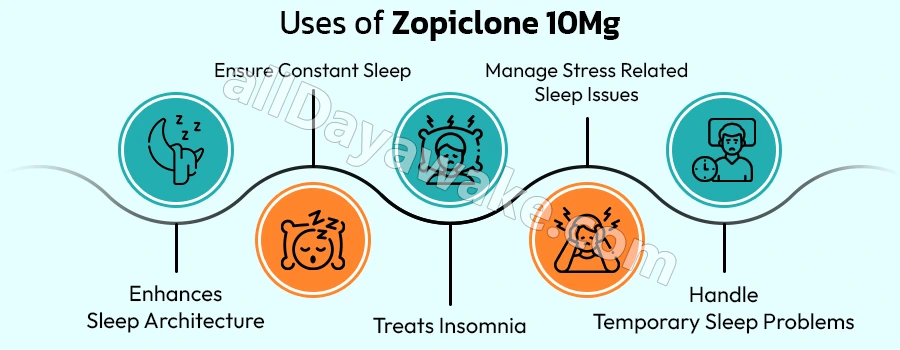
Zopiclone is one of the most commonly prescribed short-term sleeping medications in the UK, used for treating severe insomnia and disrupted sleep patterns. While it can be effective in improving sleep onset and duration, it is also associated with risks such as dependence, tolerance, and next-day impairment if not used responsibly.
This article provides a clear and educational overview of safe dosage guidelines, proper usage, risks, and responsible awareness considerations surrounding zopiclone in the UK. The keyword “Zopiclone order UK” is included strictly for informational context regarding public search behaviour and is not intended to encourage unsafe acquisition.
What Is Zopiclone and How Does It Work?
Zopiclone belongs to a class of medicines known as “Z-drugs”, which act on the central nervous system to produce a calming effect. It enhances the activity of GABA, a neurotransmitter that helps slow brain activity and promote sleep.
It is generally prescribed for:
- Difficulty falling asleep
- Frequent night-time waking
- Short-term severe insomnia
According to UK medical guidance, it is intended only for short-term use due to its dependence risk.
Recommended Zopiclone Dosage in the UK
In the UK, zopiclone is typically available in two main strengths:
Standard Adult Dose
- 7.5 mg once daily at bedtime
Lower Dose (Sensitive Groups)
- 3.75 mg once daily
Lower doses are often recommended for:
- Older adults
- People sensitive to sedatives
- Patients with certain medical conditions
A lower starting dose is often safer because higher doses can increase side effects such as dizziness, confusion, and next-day drowsiness.
How Zopiclone Should Be Used Safely
To reduce risks and improve effectiveness, zopiclone should be used under strict medical guidance:
Key usage guidelines
- Take only when ready for sleep
- Take just before bedtime
- Ensure you can have a full 7–8 hours of sleep
- Use only for short durations (typically 2–4 weeks)
Zopiclone is not designed for long-term sleep management. Prolonged use increases the risk of dependence and reduced effectiveness over time.
Risks and Side Effects
While many people tolerate zopiclone well in the short term, it can still cause side effects.
Common side effects
- Bitter or metallic taste in the mouth
- Dry mouth
- Drowsiness the next day
- Dizziness or fatigue
Serious risks (less common)
- Memory loss (amnesia)
- Sleepwalking or unusual behaviours
- Mood changes or confusion
- Breathing difficulties (especially in overdose cases)
Dependence, Tolerance, and Withdrawal Risks
One of the most important safety concerns with zopiclone is dependence.
- Risk increases with higher doses and longer use
- The body may become less responsive over time (tolerance)
- Sudden stopping can lead to withdrawal symptoms
Medical guidance strongly advises that stopping zopiclone should be done gradually under supervision, not abruptly.
Important Safety Warnings
1. Alcohol interaction
Zopiclone should never be combined with alcohol, as this can dangerously increase sedation and breathing suppression risk.
2. Driving and machinery
Even the next day, zopiclone may impair reaction time and alertness. Driving or operating machinery may be unsafe if drowsiness persists.
3. Overuse risks
Taking more than prescribed can lead to:
- Severe sedation
- Confusion
- Breathing difficulties
- In extreme cases, coma or death
Responsible Awareness and Public Search Terms
Many people search online for terms like “Zopiclone order UK”, often while seeking relief from insomnia or trying to understand availability.
However, it is important to understand:
- Zopiclone is a prescription-only medicine in the UK
- It should only be obtained through a licensed healthcare provider
- Unregulated sources may involve safety and legal risks
The safest approach is always a consultation with a qualified medical professional.
Conclusion
Zopiclone can be an effective short-term solution for severe insomnia when used correctly. However, it is not a long-term sleep remedy and carries real risks if misused.
Safe use depends on:
- Correct dosing (3.75 mg or 7.5 mg only as prescribed)
- Short treatment duration
- Avoiding alcohol and misuse
- Medical supervision for withdrawal or long-term concerns
Understanding these risks helps promote safer, more informed decisions around sleep health and medication use.